

Energy & Environment
Producers, suppliers, equipment manufacturers, network operators and recycling players… Xerfi provides analytical and forward-looking tools to understand energy market trends, assess the impacts of the energy transition and guide strategic decision-making in a sector undergoing profound transformation.
In energy markets, the electrification of uses, decarbonisation and the circular economy are reshaping business models and value chains, while changes in electricity and natural gas prices are altering the balance of the energy mix.
Industry players are also stepping up investment in low-carbon technologies-renewable energy, biogas, hydrogen, storage and CO₂ capture-and developing integrated service offerings such as energy efficiency, third-party financing, recycling and recovery.
Against a backdrop of resource scarcity, notably water, energy sovereignty requirements and increasing regulatory pressure, the challenge is to reconcile security of supply, climate objectives, profitability and competitiveness.
From the Expert
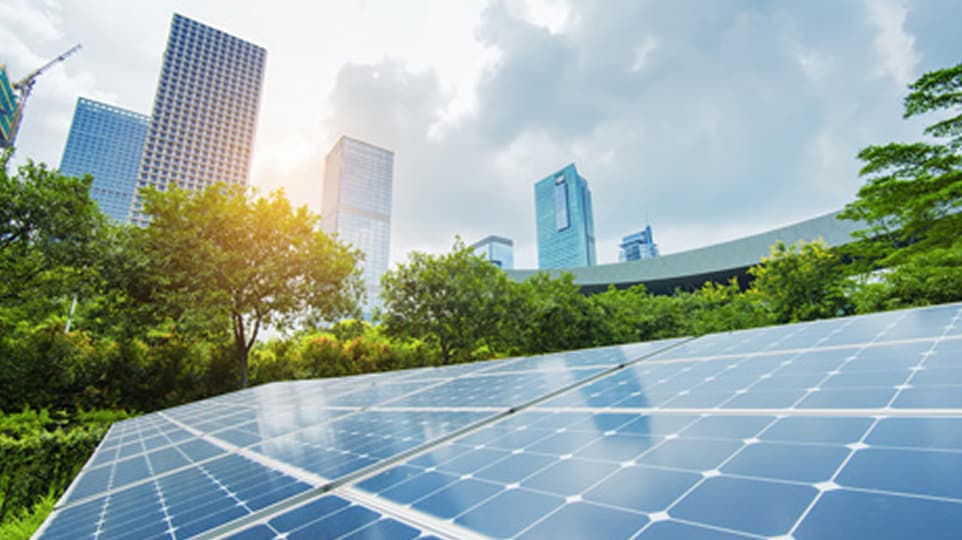
« Energy self-consumption could gradually gain traction in urban areas. The potential in France is significant, and sales of do-it-yourself solar kits are experiencing strong growth. »

Pierre Bonnet
Energy & Environment Sector Expert, Xerfi

Our solutions for the energy and environment industries
Drawing on its recognised expertise in the economy and markets, Xerfi offers a comprehensive range of analysis and advisory solutions. From flagship reports to bespoke analyses, from Call Expert to videos and conferences led by our consultants, we support private and public organisations alike in turning analysis into action.
Economic, regulatory and societal impact reports
Strategic benchmarks and trend reports
Forecasts and forward-looking scenarios
Newsletters, briefings and strategic monitoring content


Optimising the business model of a recycling player facing raw material price volatility and regulatory constraints
Detailed challenge
A multi-stream recycling operator was facing strong volatility in recycled material prices, increasing regulatory requirements (extended producer responsibility schemes, source-separation obligations), and rising collection and processing costs. It sought to assess the profitability of its different waste streams and adapt its business model accordingly.Objectives
- Understand the impact of regulatory developments on operations and margins.
- Identify high-potential waste streams and underexploited value recovery opportunities.
- Define a robust business model resilient to raw material price volatility and rising costs.
- Prioritise investments (optical sorting, robotics, multi-material platforms, etc.).
Solutions
- Economic, regulatory and societal impact studies: modelling the effects of new extended producer responsibility (EPR) obligations and tighter source-separation requirements on costs, volumes and margins.
- Strategic benchmarking and trend reports: comparison of innovations (sorting robotics, sensors, automation) and analysis of best practices across Europe.
- Forecasts and forward-looking scenarios: projections of material flows, recycled material prices and margins under different market assumptions.
- Strategic monitoring: tracking regulatory developments, technological innovations, new entrants and weak signals across waste streams (plastics, paper, metals, bio-waste).
Our lastest reports
All our reports in this industryOur tailored solutions for the various segments of the energy and environmental sector
Our offerings for other markets

Our solutions support the value chain with a comprehensive overview of the construction market, its trends and growth prospects.
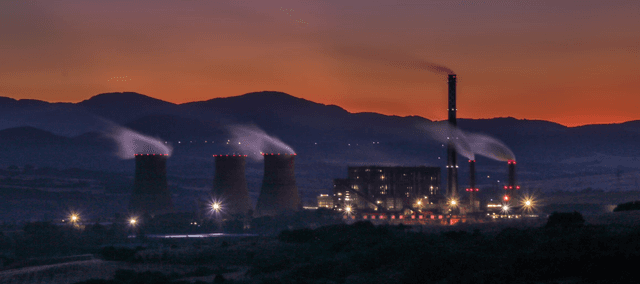
Our solutions support the transformation of industry in response to technological, energy and geopolitical transitions...

Our analyses cover the entire transport and mobility value chain, providing insight to inform investment and decarbonisation decisions.