

Automotive
Manufacturers, equipment suppliers, distributors, rental companies, car-sharing operators, repairers and mobility service providers… Our solutions support the automotive and mobility ecosystem in its transition towards electrified powertrains and the growth of electric vehicles, autonomous driving and connected services, paving the way for smarter and more sustainable mobility.
The electrification of vehicle ranges, the rise of autonomous driving, connectivity and new forms of mobility (shared, on-demand) are reshaping value chains. Manufacturers must finance substantial investments in batteries, electronics and software, while simultaneously decarbonising their sites and securing their supply chains.
In the face of Asian competition and changing usage patterns—particularly the growth of leasing (long-term, short-term) and car-sharing—the challenge is to develop mobility solutions that are more efficient, smarter and more competitive.
From the Expert
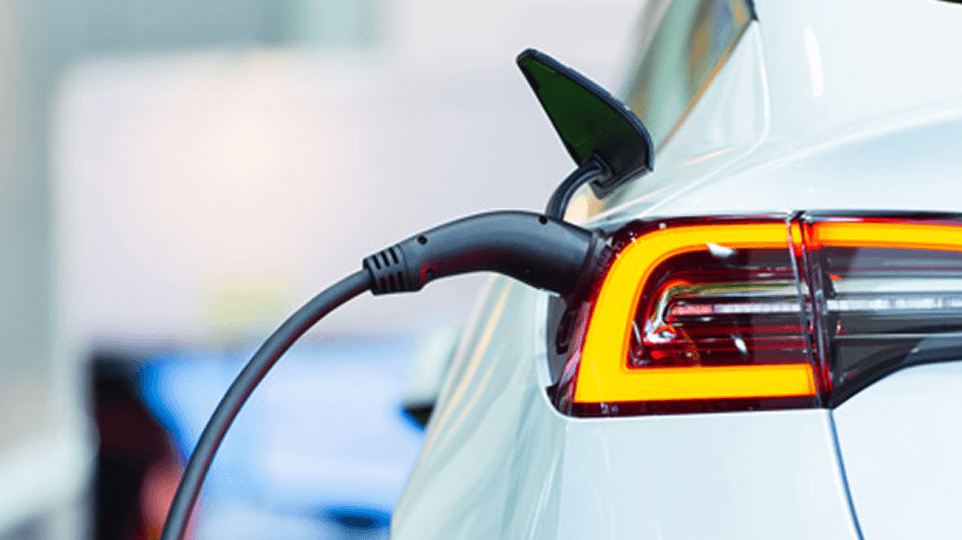
« Despite public support that is expected to be scaled back, the appeal of electric vehicles is set to improve steadily. Greater driving range, faster charging, more durable batteries and declining prices are strengthening the competitiveness and affordability of EVs, supported by an increasingly dense charging infrastructure. »

Pierre Paturel
Automotive Sector Expert, Xerfi

Our solutions for the automotive industry
Drawing on its recognised expertise in the economy and markets, Xerfi offers a comprehensive range of analysis and advisory solutions. From flagship reports to bespoke analyses, from Call Expert to videos and conferences led by our consultants, we support private and public organisations alike in turning analysis into action.
Forecasts and forward-looking scenarios
Usage and Attitude studies, insight-driven analysis
Competitive landscape mapping
Geopolitical and climate dependency audits
Business model analysis and viability assessment


Understanding changes in usage patterns and financing models to adjust a car manufacturer’s offering
Detailed challenge
A car manufacturer sought to gain a clearer understanding of new automotive usage patterns and how consumers arbitrate between purchase, leasing (long-term, short-term) and subscription models. The decline of diesel, the rise of electric vehicles (EVs), increasing total cost of ownership (TCO) and the diversification of mobility offerings were making the market increasingly complex to interpret. The challenge was to rely on robust analysis to refine the commercial offering, calibrate product ranges and adjust pricing strategies.Objectives
- Measure changes in purchasing and financing behaviours.
- Identify the segments most receptive to electric vehicles and new usage models.
- Track market trends and competitors’ repositioning.
- Provide quantitative benchmarks to adjust the offering, pricing and marketing priorities.
Solutions
- Usage and Attitude studies, insight-driven analysis: qualitative and quantitative research to analyse perceptions of electric vehicles, motivations and barriers, purchase intentions, and sensitivity to the different financing options.
- Forecasts and forward-looking scenarios: modelling demand trends by powertrain, age group, household type or financing channel.
- Competitive landscape mapping: benchmarking the positioning, product ranges, financing strategies and services offered by leading manufacturers.
- Business model analysis: assessing the impact of changing usage patterns on commercial performance (conversion rates, margins, customer retention) to inform development decisions and adjustments to the offering.
Our lastest reports
All our reports in this industryOur tailored solutions for the different automotive value chains
Our offerings for other markets

Our analyses cover the entire transport and mobility value chain, providing insight to inform investment and decarbonisation decisions.

Our solutions support the transformation of insurers, mutual insurers, brokers and distributors to address the challenges across all markets.
Our solutions support the transformation of industry in response to technological, energy and geopolitical transitions...